i fashioned this simple slide show to give students in my history/theory of design course an opportunity to see an example of a reading comprehension. students work through the assigned readings for the course and select one particular object, space, building, or place in the reading and report on it. they are to include a title, concept, a minimum of three images, and writing to document their understanding of the assigned reading. here's my effort...
Tuesday, January 11, 2011
Saturday, January 1, 2011
this blog on hiatus...
during my fellowship year with the lloyd international honors college, i was lucky to teach a number of courses outside my normal assignment. as a result, this design history/theory blog went on hiatus for a year.
Thursday, May 7, 2009
Junctions :: Explorations of the Self
Exploring Chiaroscuro
Aqua Vitae for Last Unit "Exploration"
Stonehenge

http://www.fotocommunity.com/search?q=stonehenge&index=fotos&options=YToxOntzOjU6InN0YXJ0IjtzOjI6IjE2Ijt9&pos=23&display=3947141
Pyramid

http://www.fotocommunity.com/search?q=Pyramid&index=fotos&options=YToyOntzOjc6ImNoYW5uZWwiO3M6MToiMCI7czo1OiJzdGFydCI7czoyOiI1NiI7fQ&pos=61&display=15477129
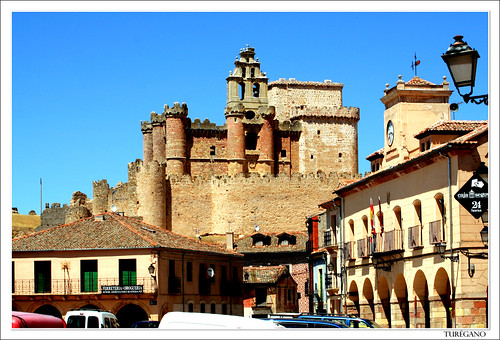
Turgeano House: fluidity

http://farm2.static.flickr.com/1334/887297758_28396bd235.jpg
Seattle Public Library

http://upload.wikimedia.org/wikipedia/commons/4/4d/Seattle_Public_Library.jpg
Disney Concert Hall

http://stephybdesigns.com/project02/pages/images/99_disney_concert_hall_lg.jpg
Atlantis Apartments: Arquitectonica

http://brickellmiamicondos.com/condo/main_image/2/medium/Atlantis_Main.jpg
Birds Nest

http://images.beijing2008.cn/20070703/Img214104887.jpg
Monticello

http://www.fotocommunity.com/search?q=Monticello&index=fotos&display=14643776
Fallingwater

http://www.fotocommunity.com/search?q=Fallingwater&index=fotos&options=YToxOntzOjc6ImRpc3BsYXkiO3M6ODoiMTQzODAzODYiO30/pos/0
As we have been living our lives in the earth, time goes and history flows, too. With this, the flow of water cannot be stopped by itself and all architectural history flows like water. From Stonehenge to Fallingwater, it is same as flow of history which includes that nobody will recognize before it happens. In other words, people will be able to recognize an architecture when an architecture is built as looking back to history.
By Kristina Ragan & Young Moon

http://www.fotocommunity.com/search?q=stonehenge&index=fotos&options=YToxOntzOjU6InN0YXJ0IjtzOjI6IjE2Ijt9&pos=23&display=3947141
Pyramid

http://www.fotocommunity.com/search?q=Pyramid&index=fotos&options=YToyOntzOjc6ImNoYW5uZWwiO3M6MToiMCI7czo1OiJzdGFydCI7czoyOiI1NiI7fQ&pos=61&display=15477129
Turgeano House: fluidity

http://farm2.static.flickr.com/1334/887297758_28396bd235.jpg
Seattle Public Library

http://upload.wikimedia.org/wikipedia/commons/4/4d/Seattle_Public_Library.jpg
Disney Concert Hall

http://stephybdesigns.com/project02/pages/images/99_disney_concert_hall_lg.jpg
Atlantis Apartments: Arquitectonica

http://brickellmiamicondos.com/condo/main_image/2/medium/Atlantis_Main.jpg
Birds Nest

http://images.beijing2008.cn/20070703/Img214104887.jpg
Monticello

http://www.fotocommunity.com/search?q=Monticello&index=fotos&display=14643776
Fallingwater

http://www.fotocommunity.com/search?q=Fallingwater&index=fotos&options=YToxOntzOjc6ImRpc3BsYXkiO3M6ODoiMTQzODAzODYiO30/pos/0
As we have been living our lives in the earth, time goes and history flows, too. With this, the flow of water cannot be stopped by itself and all architectural history flows like water. From Stonehenge to Fallingwater, it is same as flow of history which includes that nobody will recognize before it happens. In other words, people will be able to recognize an architecture when an architecture is built as looking back to history.
By Kristina Ragan & Young Moon
Design Autobiography
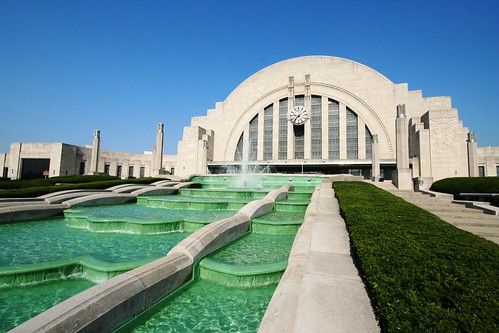
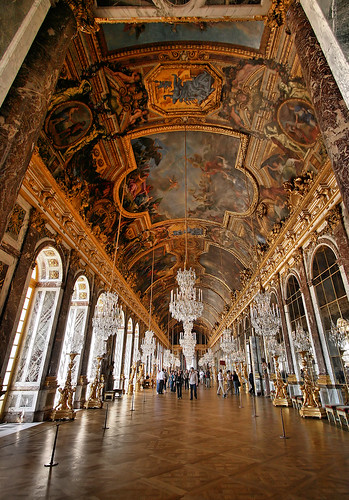
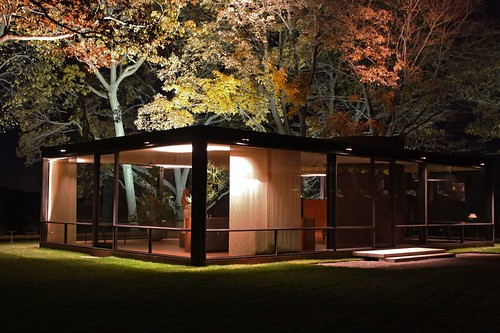
image courtesy Andra MB on flickr
image courtesy Aws_Alan on flickr
href="http://farm1.static.flickr.com/176/427089270_129db83e61.jpg?v=0">
image courtesy Rashunda on flickr
href="http://farm1.static.flickr.com/82/248571366_e441215ecd.jpg?v=0">
image courtesy T Andersson on flickr
image courtesy OZinOH on Flickr
image courtesy cpdulles.com
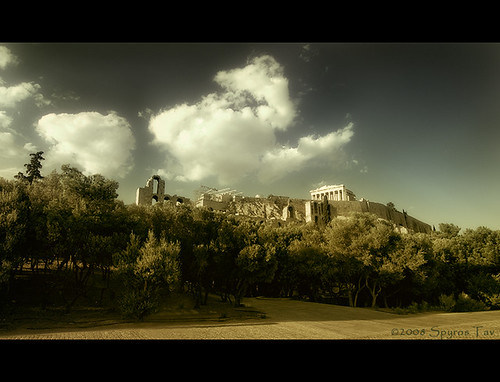
image courtesy Spyros_Tav__"Smile : it's contagious" on Flickr
image courtesy Saskya on Flickr
image courtesy Flyian on Flickr
image courtesy Michael Finley on Flickr
Wednesday, May 6, 2009
Explorations Unit Abstraction: The Theatre of Everyday Life
Everyday life with the Art Deco movement encouraged a materialistic trend that exists to this day. Architecture and science (aerodynamic studies of the time) defined daily life as well as movies which defined people's fantasies. The design of consumer products is then defined by this newfound demand. What's popular is seen in products rather than in structures. Cars and products made of converging geometric shapes with rounded corners reflect the speed of industry and innovation. Much like computers dictate what and how we lead our lives today cars were a driving force for what is designed and where it will go. The popularity of industry went to the point of popularizing the workplace or the workplace being the center of this industrial design. From Behren's AEG turbine facility we see how industrial buildings are made by architects and from this more formal and traditional buildings are made in this architectural style. The Bauhaus represents this movement to very pronounced block forms and rhythmic facets.
The notion of structures being made out of iron and steel relates back to the ancient Grecians who built structures out of stone to immortalize themselves. However this ideal is not immortalizing as machines must always be maintained and they are always cast aside for newer designs. The current consumer attitude can be traced to this past of emerging industrialism. A nice LCD TV bought today will be outdated in terms of innovation and design in six months. How will the design styles past the reflections unit be defined when they are so short lived due to the turnover rate of machines and technology? Forgotten machines and their turnover rate relates to the "mcmansions" we mass-produce today. Because consumers change their place of residence so frequently there is little demand for well-made structures. The mcmansions are built for the "here and now" rather than for the future and progression of innovation. Consumers are also more willing to pay high money for a nice car or ipod rather than for a nice house or even a nice roof that will save them money in the long run. The theatre of everyday life is about exploring new functions of the everyday life rather than maintaining the functions of everyday life.

Citations:
decopix.com
Subscribe to:
Comments (Atom)